

Picture this: you grab your phone to "quickly" check a study resource, but twenty minutes later you're laughing at a TikTok dance challenge you don't even remember clicking on. Sounds familiar? You're not lazy, and you're definitely not alone. The average person checks their phone 96 times a day, and students are particularly vulnerable to what experts call "doomscrolling" - the endless, mindless consumption of social media content.
But here's the thing: your phone doesn't have to be your enemy. With the right strategies, you can transform it from a distraction machine into a powerful study tool. Let's explore how to break free from the scroll trap and use your device intentionally.
1. Use Your Phone to Break Studying Into Bursts
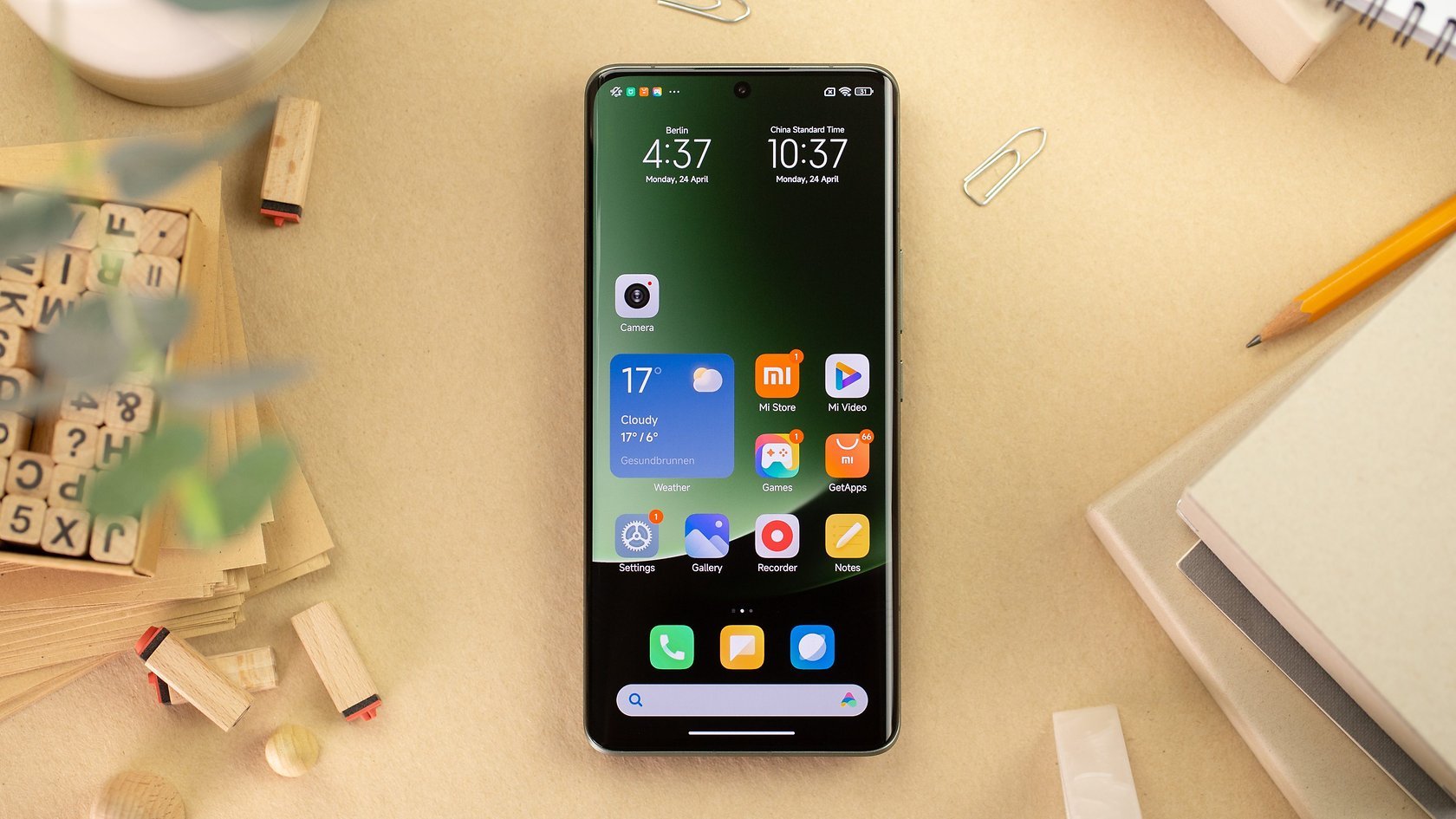
Instead of trying to study for hours straight (which often leads to phone breaks that turn into hour-long scrolling sessions), use your phone's timer to create focused study bursts. The Pomodoro Technique works wonders: 25 minutes of focused study, followed by a 5-minute break.
During your study time, put your phone in airplane mode or use focus apps like Forest or Freedom. When the timer goes off, you've earned your break - and because it's scheduled, you're less likely to feel guilty or lose track of time.
2. Silence Social Media Alerts (But Keep Study Notifications)
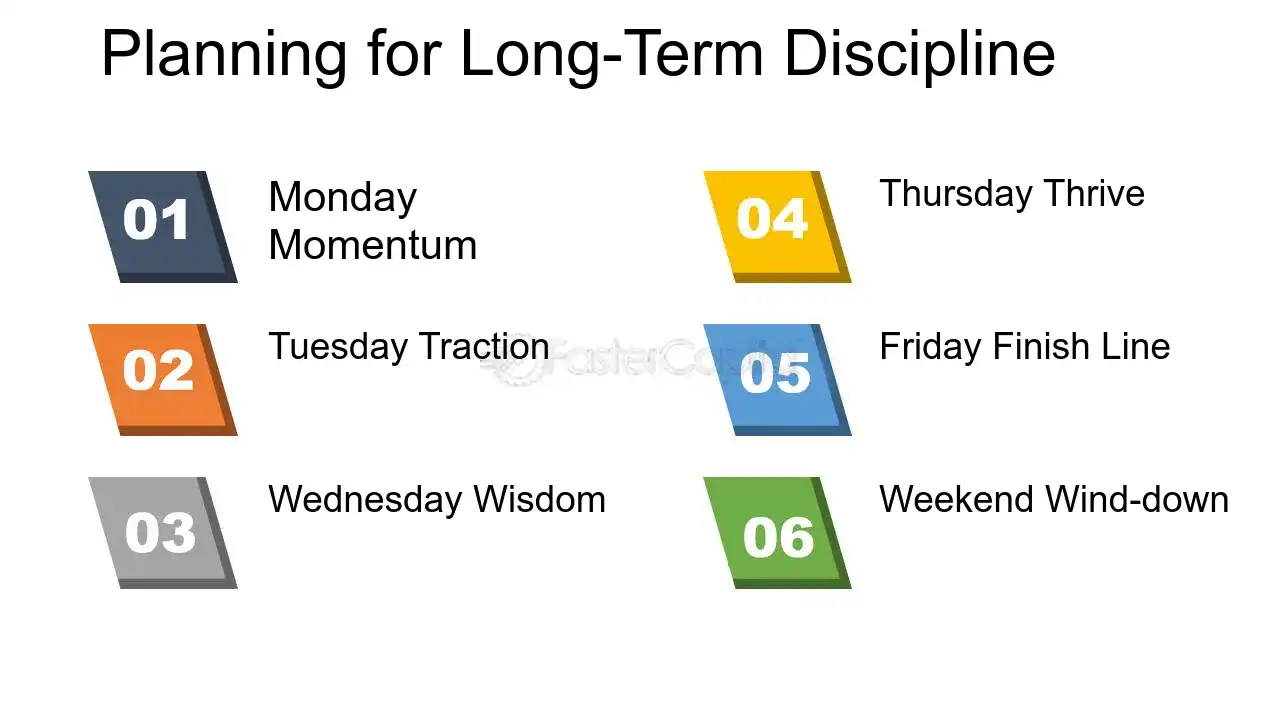
Those little red notification badges are designed to trigger your brain's reward system. Every ping is a tiny dopamine hit that pulls your attention away from your books. Go into your phone settings and turn off notifications for social media apps, games, and entertainment platforms.
But here's the smart part: keep notifications ON for educational apps, calendar reminders, and study-related tools. This way, your phone becomes a study assistant rather than a distraction device.
3. Gamify Your Study Time
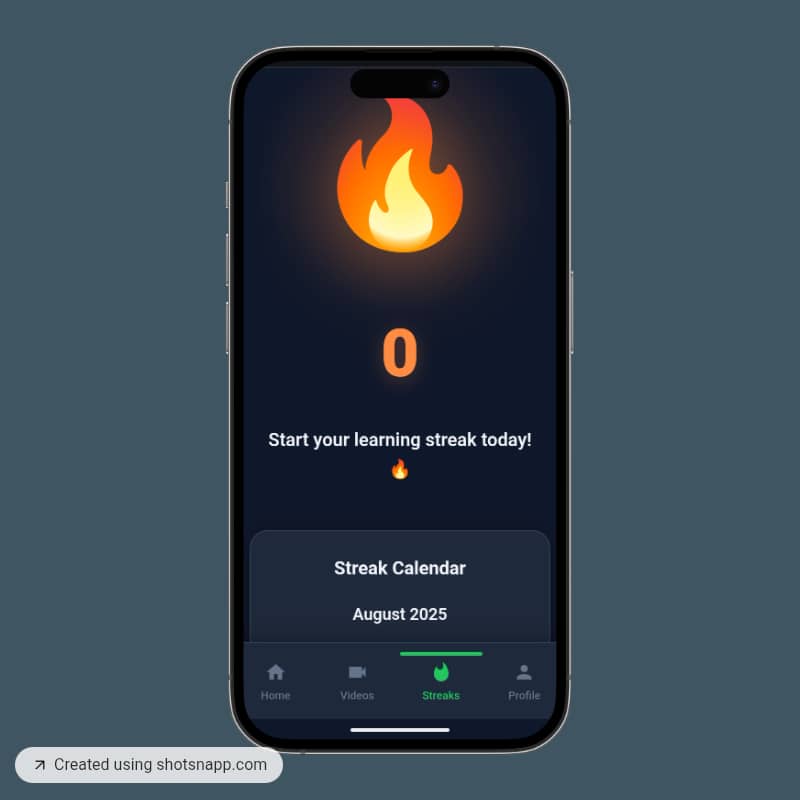
If you're going to be addicted to something, make it progress. Use apps like Habitica, Todoist, MyEasySchool, or even a simple note-taking app to track your study sessions. MyEasySchool has built-in streak features that keep learning engaging and help you maintain consistency. Create a point system: 1 point for every 25-minute study session, 5 points for completing a chapter, 10 points for finishing an assignment early.
Set rewards for reaching certain point thresholds - maybe 50 points earns you a favorite snack, or 200 points gets you a movie night. This taps into the same psychological mechanisms that make social media addictive, but channels them toward your academic goals.
4. Use Grayscale Mode to Make Your Phone Less Entertaining
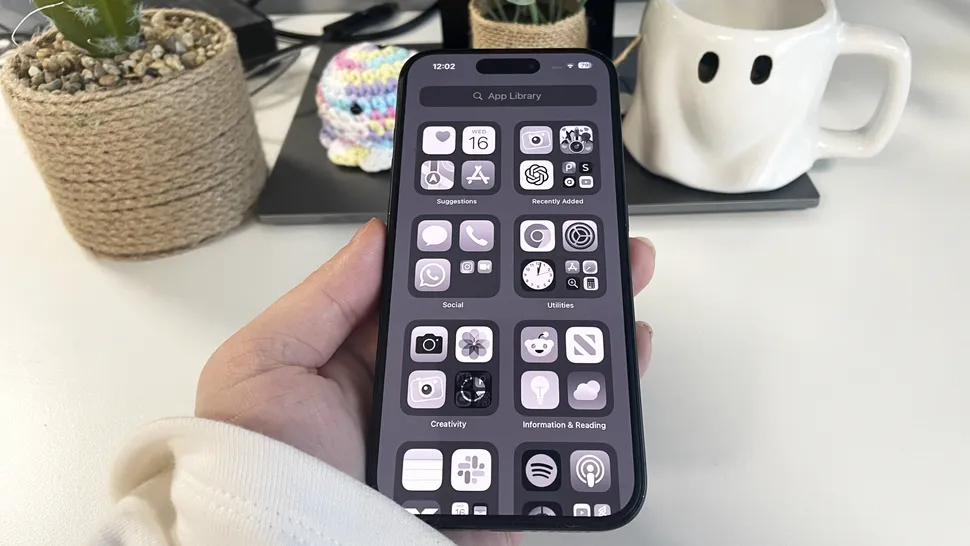
Here's a simple but powerful trick: switch your phone to grayscale mode. Those bright, colorful app icons and vibrant social media feeds are specifically designed to grab your attention. Remove the color, and suddenly your phone becomes much less appealing for mindless browsing.
Most phones have this option in accessibility settings. You can even set it to activate automatically during your designated study hours. When your phone looks boring, you're more likely to put it down and pick up your textbook instead.
5. Track Your Wins
Studying can feel endless if you don't see progress. Use apps like Notion or Google Sheets to track what you've covered each day. Watching your progress pile up gives you the same dopamine hit as a TikTok scroll, but this time, it's proof you're moving forward.
The Bottom Line: Intentional Usage Over Elimination
The goal isn't to eliminate your phone entirely - that's neither realistic nor necessary in today's world. Instead, the aim is intentional usage. Your phone should serve your goals, not hijack them.
Start with one or two of these strategies and gradually build them into habits. Remember, the same technology that can distract you can also empower you - it's all about how you choose to use it.
What's your biggest phone-related study challenge? Share your experience in the comments below, and let's help each other build better digital habits.


Join the Conversation